
Dreamworks First Filipino Animated Movie 'Forgotten Island'!
It's a visually enchanting animated adventure that celebrates Filipino folklore, friendship, and the power of memories as two best friends navigate a mythical island where finding their way home could mean forgetting each other forever.
10/13/20266 min read


Forgotten Island (2026) was released in U.S theaters September 29.
While celebrating their last night together, Jo and Raissa stumble upon a mysterious portal that transports them to the fantastical island of Nakali, packed with magical and mythological creatures they grew up hearing stories about from their Filipino families. Some of these figures will become friends, some foes. Joined by well-meaning-but-hapless weredog Raww (Dave Franco) and a small-but-mighty pack of pals, Jo and Raissa must face The Dreaded Manananggal (Tony winning icon Lea Salonga), the most feared creature on the island. When they discover that the memories of their entire friendship are the price for returning home, Jo and Raissa will race to find a way to leave the island before they forget each other forever.
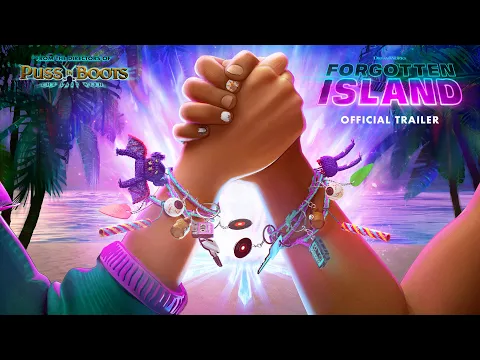
Forgotten Island isn’t just about showcasing Filipino culture to the world. It’s about cherishing the bonds we share with friendship and family, holding on to our memories, and honoring the stories, traditions, and experiences that shape who we are. As DreamWorks’ first Filipino-inspired animated feature, the film brings a vibrant glimpse of Filipino culture to the screen, capturing its colors, folklore, familiar traditions, and cultural details in a way that feels both magical and deeply personal. Beyond its animation and storytelling, it celebrates the beauty of our heritage and reminds us that culture is more than what we see, it’s the memories we carry, the stories passed down through generations, and the connections that make us feel at home.
As a Filipino who grew up watching 2d and 3d animation gave a lot of spark and inspiration in me. I always love how animations are made by storytelling, world building, character design and other details that makes a good and impactful show. For Filipinos, seeing elements of our culture represented in animation is a meaningful experience. It gives us an opportunity to reconnect with familiar symbols and traditions while introducing audiences around the world to the richness of Filipino storytelling.
I’ve put together a list of cultural symbols and references in Forgotten Island, exploring the Filipino heritage, traditions, and folklore woven throughout the movie.


7 Filipino Cultural Details You May Have Missed


1. 8-Ray Sun


The golden-yellow 8-ray sun is a symbol on the flag of the Philippines. The 8 primary rays symbolize the first eight provinces (Manila, Bulacan, Cavite, Pampanga, Morong (now Rizal), Laguna, Batangas, and Nueva Ecija.) placed under martial law by Spanish Governor-General Ramón Blanco during the outbreak of the 1896 Philippine Revolution.


2. Balisong (Butterfly knife)


The butterfly knife, also known as a balisong, is a traditional folding knife from Batangas, Philippines. It features two handles that rotate around the blade, allowing it to fold neatly when closed. Known for its unique design and flipping tricks, it has become an iconic part of Filipino craftsmanship and heritage. Batangas, Philippines, is known as the heart of balisong production, a traditional folding knife with handles originally made from animal horn. The name balisong is often translated as “broken horn.” While its exact origins are debated, some historians trace similar designs to ancient China and 18th-century France. I was born in Batangas and it’s amazing to see a piece of our province’s heritage recognized around the world!
Bonus... When Jo mentioned about a blood compact, she actually meant Sanduguan (or Sandugo). It is an ancient blood compact ritual in the Philippines used to seal a friendship, alliance, or treaty.


3. Jeepney


It is the most popular and affordable form of public utility vehicle in the Philippines, widely recognized as a vibrant cultural icon. Jeepneys were first created after World War II from leftover U.S. military Willys and Ford jeeps. Jeepneys were first created after World War II from leftover U.S. military Willys and Ford jeeps.
Also, Mabuhay is a Filipino greeting that literally translates to "to live," "live!," or "long live!


4. School Uniform


One of the amazing details they have on the movie is the way they designed the school uniforms as they grow up. They captured the white top with plaid or plain skirts uniform that's most common in public schools.


5. Lip-Point
It's a non-verbal gesture used in Filipino communication. It's to just point with your lips.


6. Askal/Aspin Dog | Raww (Weredog)
Voiced by Dave Franco, Raww is a were-askal (or were-aspin), a unique twist on the traditional werewolf concept inspired by the native street dogs of the Philippines. His design is based off of native breed in the Philippines called the Forest Dog (Asong Gubat). The coat is like a tiger-striped pattern, black, or merle with white markings on the lower body.


7. Manananggal
Voiced by Tony-winning icon Lea Salonga in her first-ever villainous role. In the movie, she terrorizes the protagonists, Jo and Raissa, after Raissa steals her detachable wings. But as a legend, it is a self-segmenting, vampire-like creature from Philippine folklore, originating heavily in the Visayas region (such as Capiz, Iloilo, and Bohol), whose name comes from the Tagalog word tanggal, meaning "to remove" or "to separate". It is commonly believed to prey on sleeping, pregnant women by using an elongated, proboscis-like tongue to extract fetuses or draw blood.


The Manananggal is just one of the many fascinating creatures rooted in Filipino folklore. Beyond the world of Forgotten Island, these mythical beings carry stories of fear, mystery, and cultural beliefs passed down through generations. There’s still so much to discover about the creatures that make Philippine mythology so unique!
Stay tuned for my next blog, where we’ll dive deeper into the fascinating folklore behind the mythical creatures in the Philippines!